A traditional academic start is not the only route into a successful built environment career, writes Tracey Field FCIOB.
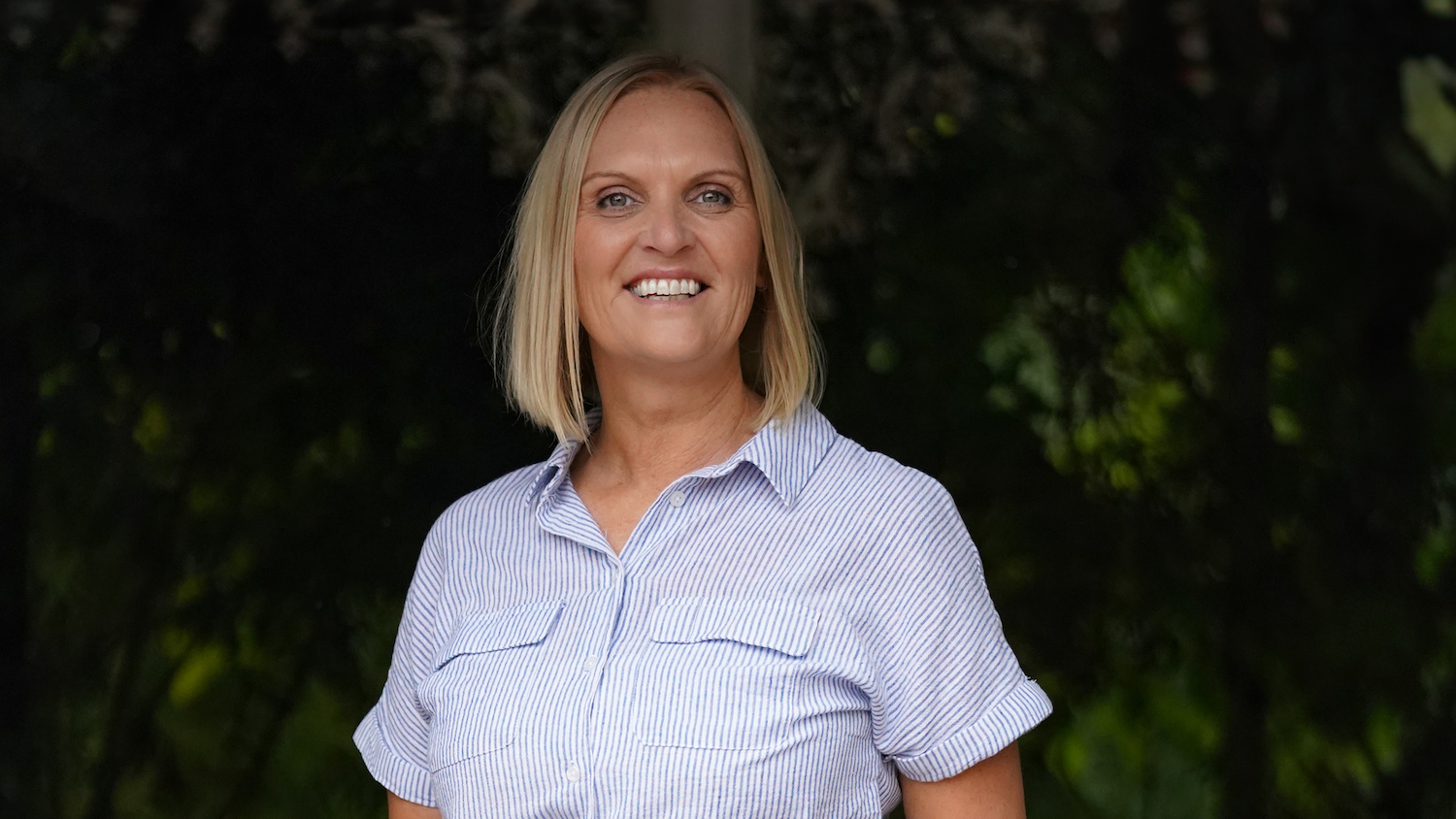
I didn’t follow a traditional route into the built environment. I left school at 15 and went straight into work, selling curtains and household linens.
I had my first child at 18, and by my early twenties, I was raising four children.
For years, my working life was shaped around them. That included part-time roles, short contracts and basically anything that would fit around school times and childcare responsibilities.
There was no career plan then, there was just responsibility.
In 2000, I took a role in a call centre for a housing association working on the maintenance helpdesk.
My children were still young, I needed stability, but I also needed to feel like I was building something for the future. It was the first deliberate step I took for myself as I wanted to learn.
Every call was a window into how buildings fail, how people experienced those failures and how systems respond when something breaks.
I listened, I asked questions, and I paid attention. That job didn’t change who I was, but it changed my direction.
Once I understood how maintenance really worked, I couldn’t unsee it. I wasn’t just logging faults, I was hearing patterns of the same buildings, the same failures and the same frustrations.
I could hear the gaps between what the organisation thought was happening and what tenants were living with every day.
So, I kept asking questions. Why does this keep happening, who decides what gets fixed, what happens after this call ends?
The more I learned, the more I wanted to see the whole picture. That led me out of the call centre and into estates roles where I could be closer to the buildings, the teams and the decisions.
Varied perspectives
I moved across sectors, not because I was chasing titles, but because each environment taught me something different.
Housing showed me volume and vulnerability. Private estates showed me stewardship and long-term thinking. Overseas work showed me how little you really need to do the job well, and how much comes down to adaptability. And education showed me what happens when buildings stop supporting the people inside them.
For each of these moves, it always felt like it wasn’t strategic or even the right place to be. But these environments and experiences taught me so much more – they taught me about perspective.
For a long time, people questioned my choices. Why move sectors, why work overseas, why take roles that aren’t following a neat path? This was particularly true when I worked in the Falklands and Lagos, Nigeria. People assumed there must be a reason to escape, but there wasn’t. I just wanted to learn.
Every environment showed me something different about buildings, people and systems. I have collected understanding and experience that is invaluable, and I am proud of where I have worked.
These roles gave me a perspective others didn’t have. They taught me how to adapt, how to read situations quickly and how to work with what is in front of you, not what you wish you had.
Professional body
Joining the Chartered Institute of Building (CIOB) was one of the first times I felt part of a wider profession. Not necessarily because it validated me and what I was learning, but because it connected me to standards, shared language and to other people who cared about doing this work well.
It helped me frame what I already knew and gave me structure. It turned my instincts into practice.
Progressing through CIOB membership was not a box-ticking exercise for me – it was a way of saying that this work matters.
Becoming a CIOB fellow was a very proud moment, but it was not a finish line; rather, a recognition of a body of work built over time. Not overnight, not by chance, but by choosing to keep learning and passing that knowledge on.
Today, I lead my own consultancy. I write and train others. Not because I planned this outcome, but because everything I did before led to this point.
Taking the next step
People I work with often say things like “I don’t think I’m ready”, “I don’t see how my role leads anywhere”, or “I don’t have the right background”.
I recognise all those concerns, which stem from ambition waiting for permission.
What I have learned is simple:
- You don’t need to know the full path;
- You don’t need to fit a template;
- And you don’t need to wait to be chosen.
You build credibility by showing up, learning and taking the next step again and again and again.
My career has never followed a straight line, but it has been shaped by curiosity, responsibility and making and taking opportunities.
I have a belief that progress comes from movement and not from certainty. If your path looks different to others, then that may be your strength.
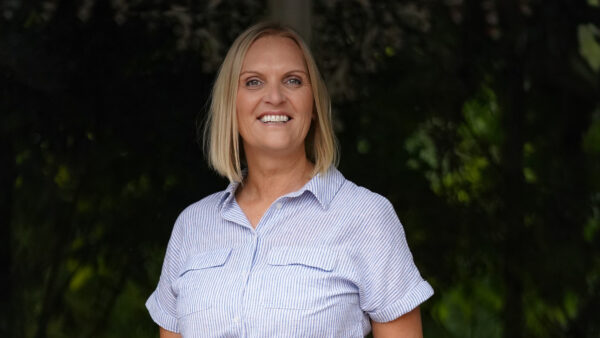
Tracey Field FCIOB is director of Tracey Field Consulting.
The post From call centre to CIOB fellowship: an unconventional career path appeared first on Construction Management.