The launch of a new British Standard for inclusive PPE marks a pivotal moment – now the construction industry must come together to ensure safer, more inclusive workplaces for all, writes Rowshi Hussain.
“Are you wearing your dad’s jacket?” It’s a phrase that may be familiar to some, while others remain oblivious. For me, it’s my reality when working on construction sites.
It’s no secret that the construction industry, for many years, has been male-dominated, with PPE tailored to the build of a 6ft-tall male.
Since the launch of CIOB’s #PPEthatfits campaign in 2023, many construction professionals have shared similar experiences to mine, with some describing being left to adapt items of PPE that were never designed with their anatomy in mind.
PPE is designed to keep people safe. But that protection only works when it actually fits the user wearing it.
The introduction of the British Standards Institution’s BS 30417, new guidance on inclusive PPE, represents an important shift in the industry. It formalises something that should have always been the baseline expectation: PPE must be fit to form for the diverse workforce that uses it.
By setting out clear guidance, BS 30417 helps employers, organisations of all sizes, manufacturers and users of PPE move from good intentions to practical action.
Personal experience
Inclusive PPE is not a nice-to-have – it is a basic right. As a user, PPE is my second skin on site. When all control measures fail, it is my last barrier of protection and sometimes the first when visibility is in question.
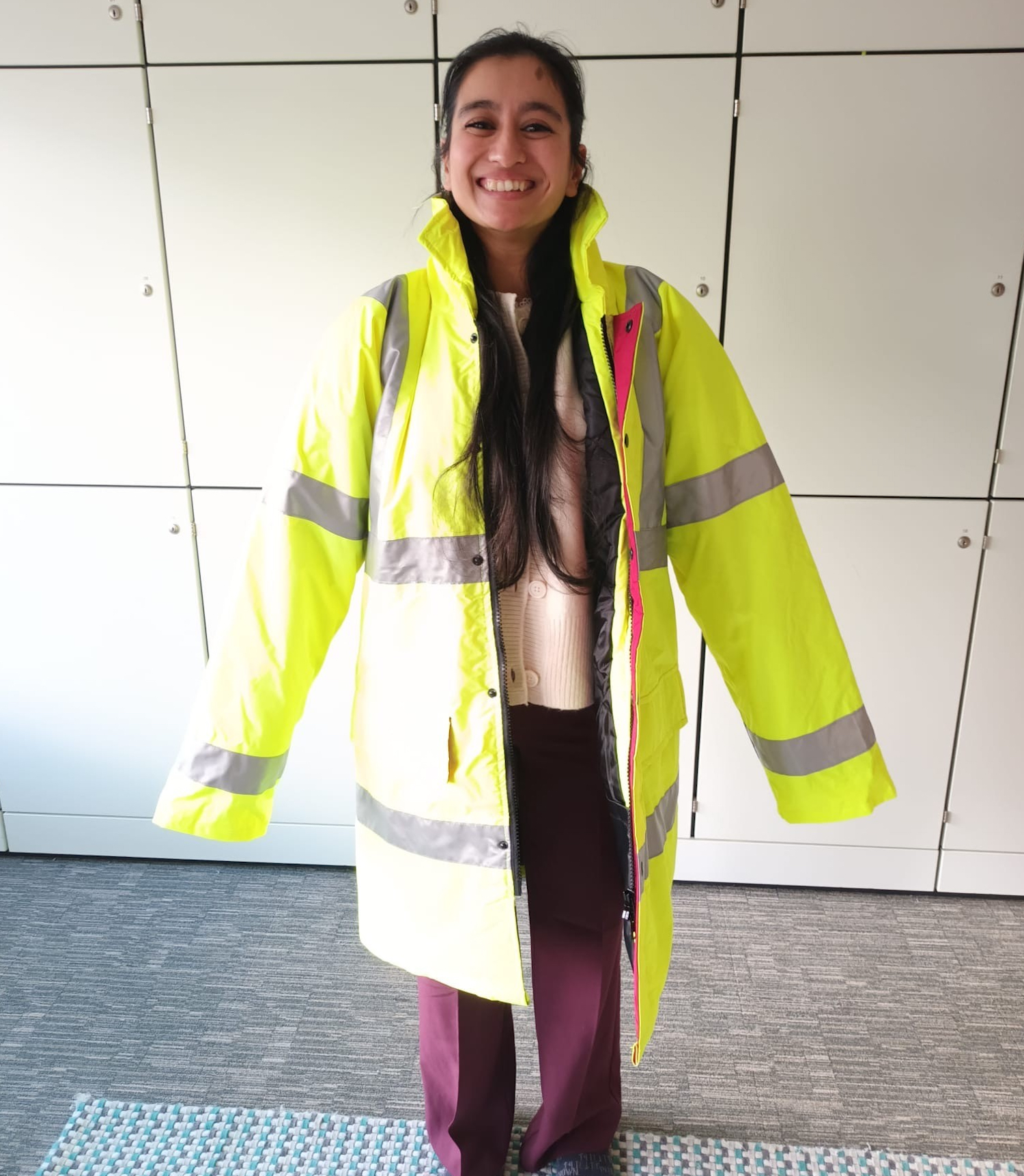
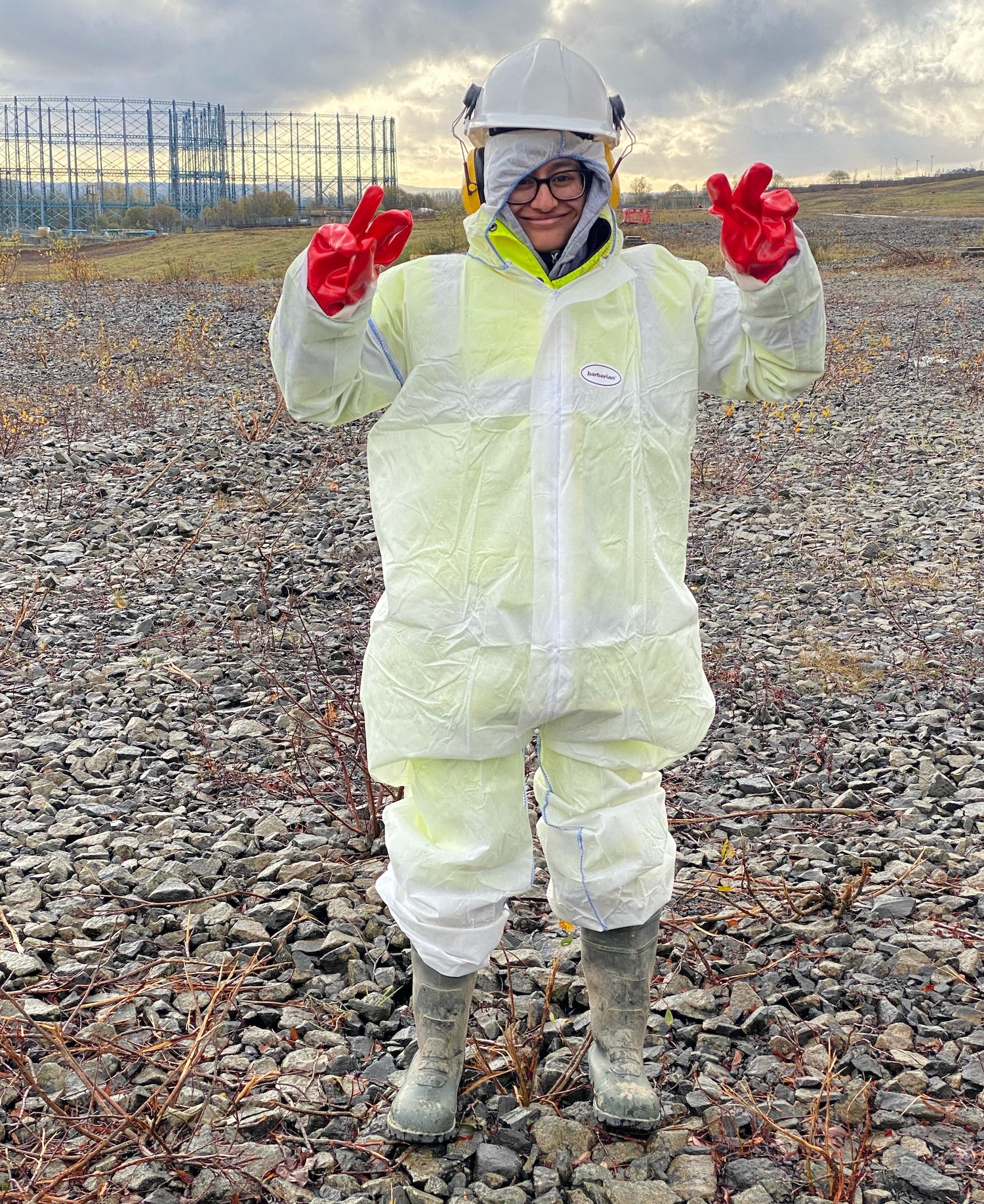
My personal experience of ill-fitting PPE highlights the issues clearly. As a 4ft 11in, petite female, gloves that were too large reduced dexterity, safety boots designed around the traditional male foot caused discomfort when walking, and high-visibility clothing often felt more like a burden on my body than protection.
Beyond the physical discomfort, it had a mental impact too when other site users would make comments about my oversized attire or not take my role seriously. It screamed that I did not look the part and, therefore, I did not belong on site.
When PPE doesn’t fit properly, it not only compromises safety, it affects the user’s confidence, productivity and mental wellbeing. Instead of focusing fully on the task in front of me, I often found myself adjusting my PPE, trying to balance a hard hat while trying to walk straight.
A fundamental safety issue
PPE isn’t just a ‘women’s issue’. It’s about recognising and addressing preventable risk. If PPE doesn’t fit correctly, it may not provide the level of protection it was designed to deliver. Ill-fitting gloves can reduce grip, oversized clothing can catch on machinery, and poorly fitting respiratory protection may fail to seal properly. These are not minor inconveniences: they are safety risks.
However, the responsibility does not sit solely with the employer. As a PPE user, I also require an element of training and education, learning how to wear PPE correctly and understanding how each item provides protection. This includes recognising the importance of correct sizing, as not all items of PPE perform effectively if they do not fit the wearer as intended. For example, trying to fill out an oversized jacket with extra layers reduces the effectiveness of the thermal properties of that jacket and can lead to overheating.
For those in the early stages of their careers, poorly fitting PPE can create additional barriers. When PPE is not available in appropriate sizes, individuals risk missing out on work opportunities simply because they do not fit the industry’s idea of an ‘average size’. With more stringent safety requirements on construction sites, poorly fitting PPE can lead to work on site being suspended or an individual being replaced by another site operative.
Placing pressure on the market to design and create inclusive products that reflect the diversity of today’s workforce has become more important than ever. Providing inclusive products is no longer optional, but essential if the industry is to retain its current workforce and attract the next generation of talent.
Collaboration is key
The launch of BS 30417 has created a platform to harmonise all voices across the industry to challenge the status quo and make a change. Creating that change requires collaboration. Employers, end users, procurers and manufacturers of PPE, as well as health and safety and legislative policy holders, all have a role to play.
In an ideal world, a truly inclusive approach to PPE benefits everyone by:
- Employers ensuring their PPE selection processes consider fit and user diversity and centralises user feedback.
- Procurement teams engaging with suppliers that offer inclusive ranges.
- Manufacturers continuing to develop products that reflect the real diversity of today’s workforce and continuing to push for a range beyond the current accepted norm.
- End users, especially early careers, graduates and those new to the industry, feeling safe and empowered to speak up when PPE doesn’t fit their individual needs.
Creating safer, inclusive workplaces
The goal is simple: PPE that fits the users who rely on it. When PPE is designed and selected with a wide range of users in mind, it improves comfort, compliance, and performance across the workforce. Users are far more likely to wear PPE correctly when it fits well and supports the work they need to do.
When we work together to achieve that, we create a safer, more effective workplace for everyone and create an industry that is more inclusive and attractive to the next generation of talent.
If you want to learn more about how to implement inclusive PPE practices, download and explore the BS 30417 guidance.
You can also explore the #PPEthatfits directory, which highlights suppliers committed to offering inclusive PPE options.
Rowshi Hussain is a geoenvironmental engineer.
The post Why PPE must fit the modern workforce appeared first on Construction Management.